Polonnaruwa
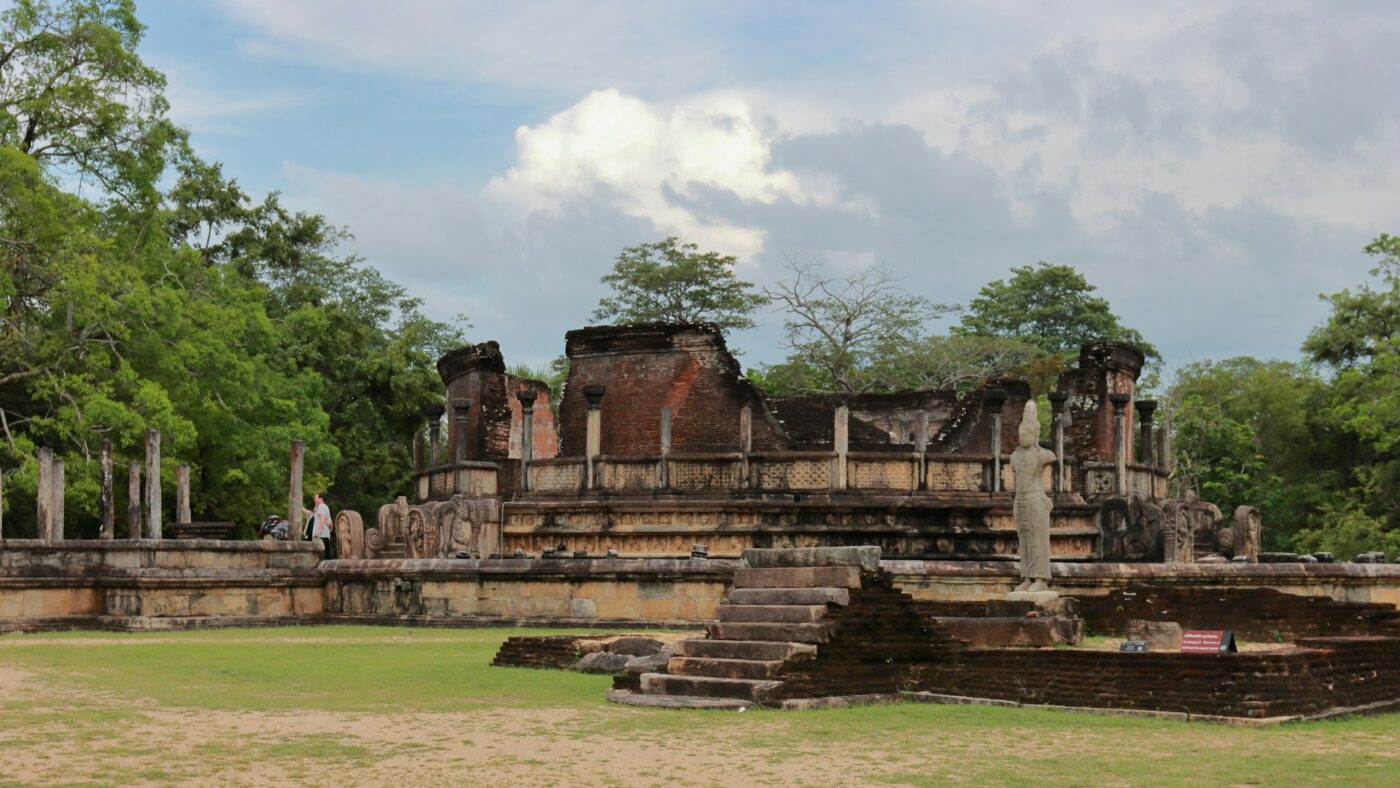
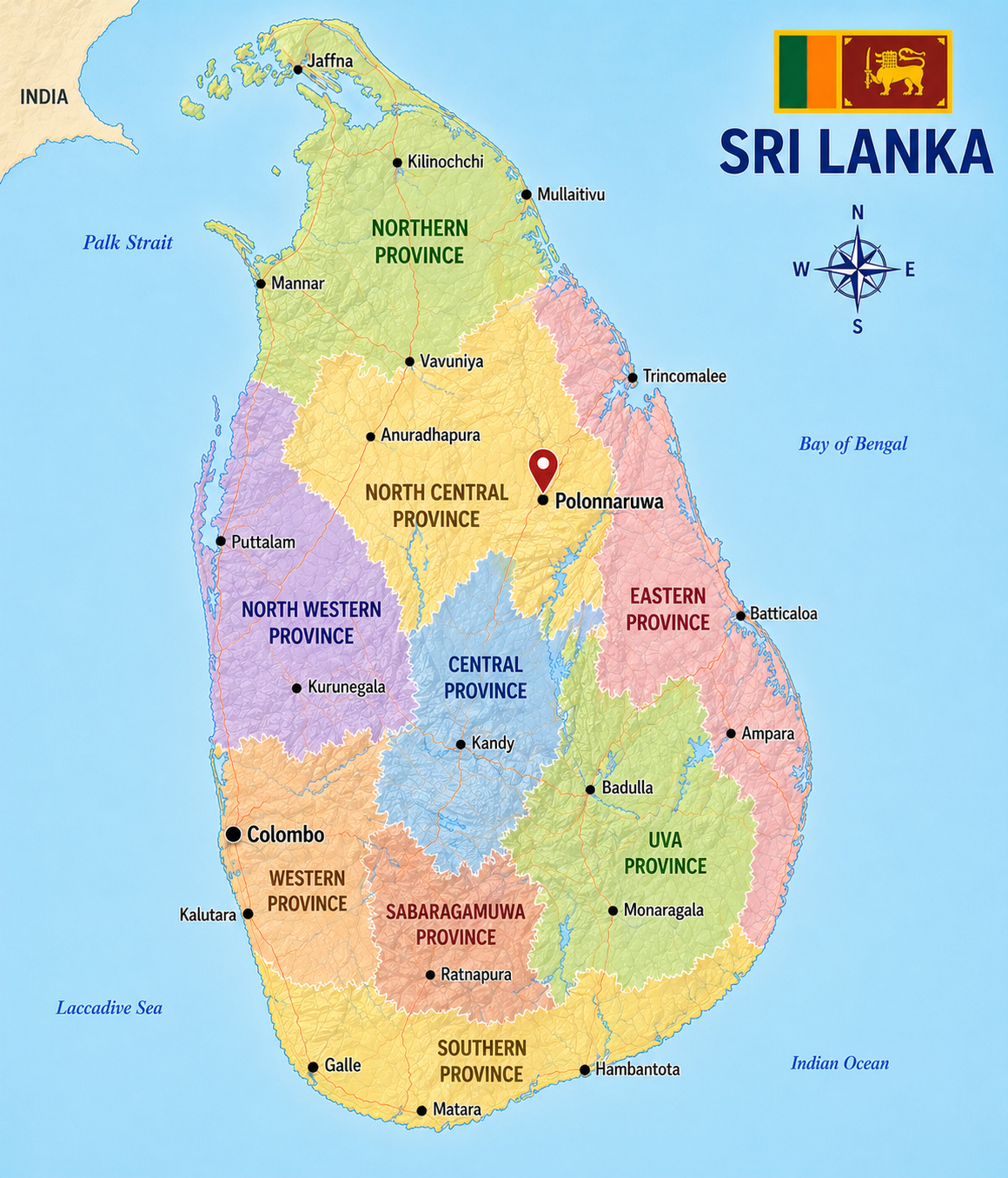
The glory of mediaeval Sri Lanka is seen at Polonnaruwa, the mediaeval capital of the Island about 216 km, south east of Anuradhapura. Polonnaruwa used by the Sri Lankan kings as a ‘country residence’ from the 7th century became the Island’s capital in the 11th century AD.
Within the ramparts of the Royal Citadel are the ruins of the King’s palace, the Council Chamber and the Royal Bath. The Buddha images at the Gal Vihara or the Rock Temple are masterpieces of stone sculpture. Parakrama Samudra or the Sea of Parakrama is a giant manmade irrigation reservoir.
A visit to Polonnaruwa is incomplete without visiting the new archaeological museum opened by the Central Cultural Fund where the ancient glory of the city has been recreated in scale models.
Royal Citadel
The Citadel housed the palace and the administrative buildings of King Prakramabahu, the Great (12th century AD) and is enclosed by a huge rampart more than a meter thick. According to historical records the King’s Palace had been seven stories high with a thousand chambers. The remains of three stories and a few of the chambers can be seen.
The Council Chamber
Where the King met his ministers is situated a few meters away in front of the palace. It is an impressive building with fine stone carvings. The Royal Bath is outside the rampart with a flight of steps leading to it. The beautiful bath is made of stone with a small pavilion probably used as a changing room.
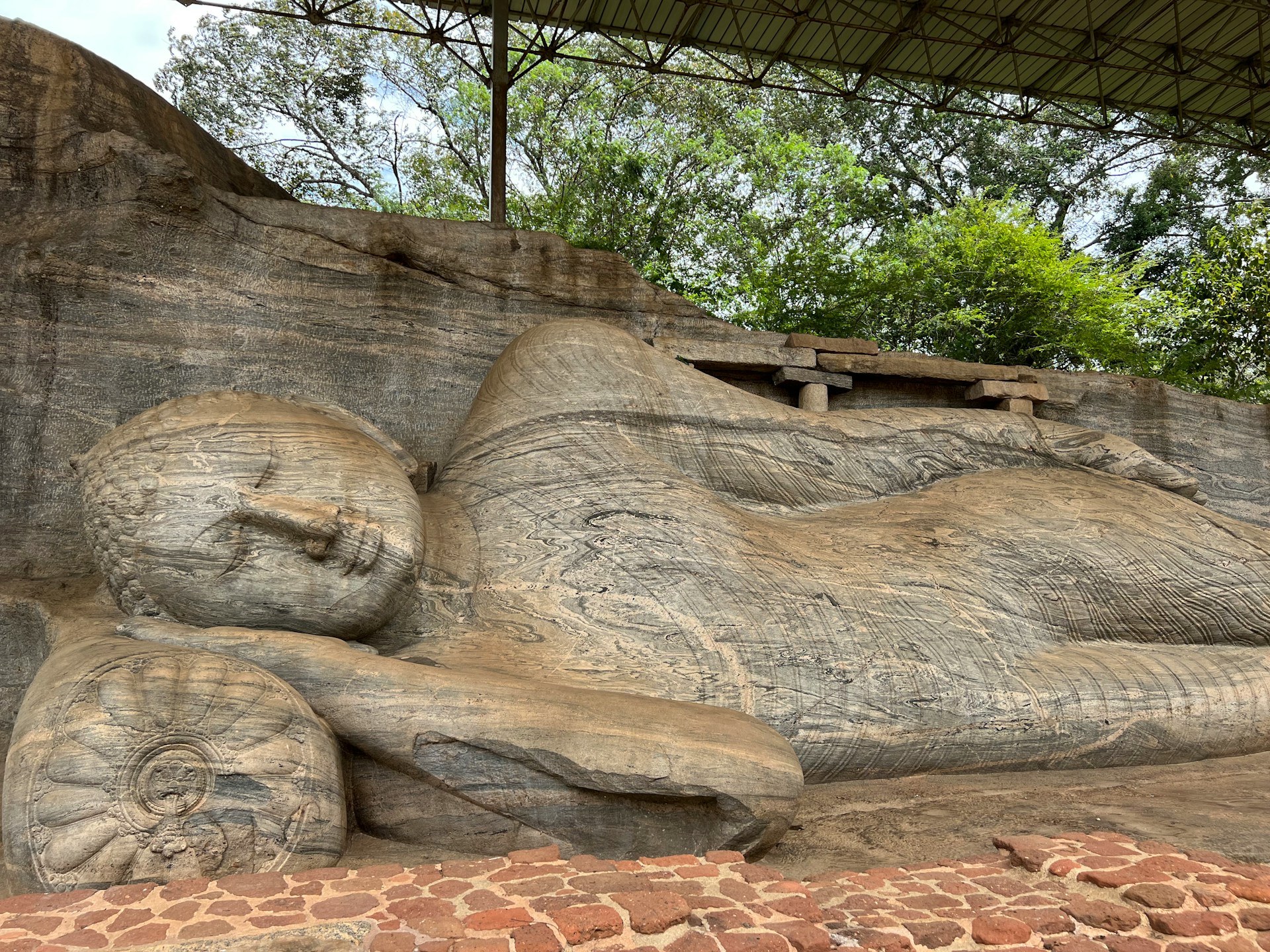
Gal Vihara- best existing example for rock sculpture in 12th century
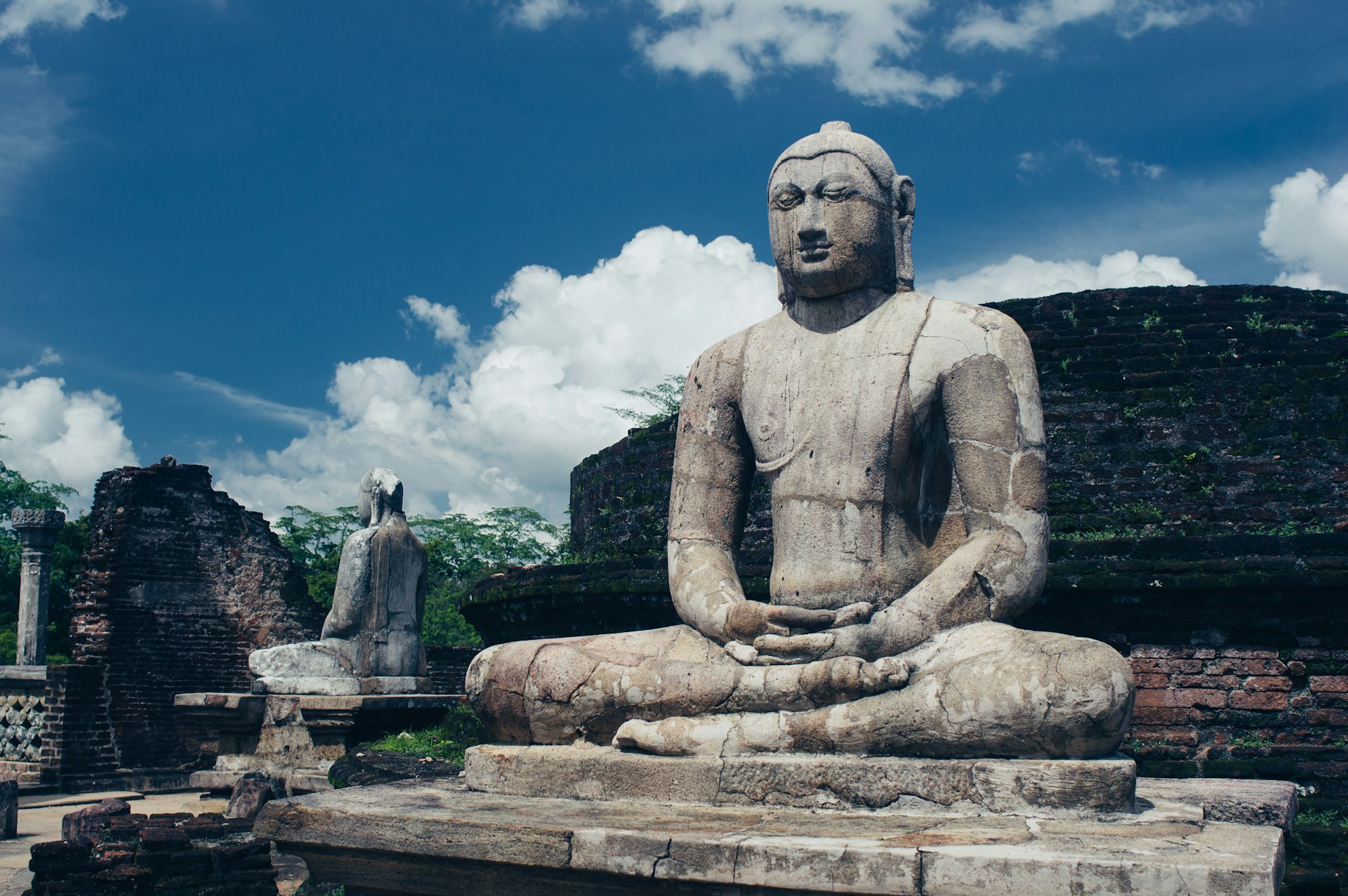
Gal Vihara or the Rock Temple of the 12th century is a magnificent group of stone Buddha images that had been originally enclosed in brick buildings. They are masterpieces of Buddhist sculpture in Sri Lanka and had been the work of King Parakramabahu, the Great.
Other Ruins in Polonnaruwa
Alahana Pirivena: A Monastic university complex extending over more than eighty hectares erected by King Parakramabahu I in the 12th Century
Demala Maha Seya: (The Great Tamil Dagoba) A Dagoba that King Parakramabahu wanted to build in Polonnaruwa using South Indian prisoners of war to surpass the mighty Ruwanvelisaya of Anuradhapura but was never completed.
Galpotha ‘ slab inscription”: (The Stone-book) A huge stone inscription of King Nissankamalla (12th Century) on a granite block measuring 8 meters in length and 4.3 meters in width recording among other things the King’s invasion of India.
Hatadage: A relic chamber built by King Parakramabahu I to house the sacred Tooth Relic.
Hindu Shrines: Remains of Hindu Shrines dedicated to God Shiva built during the Chola occupation of Polonnaruwa in the 10th century.
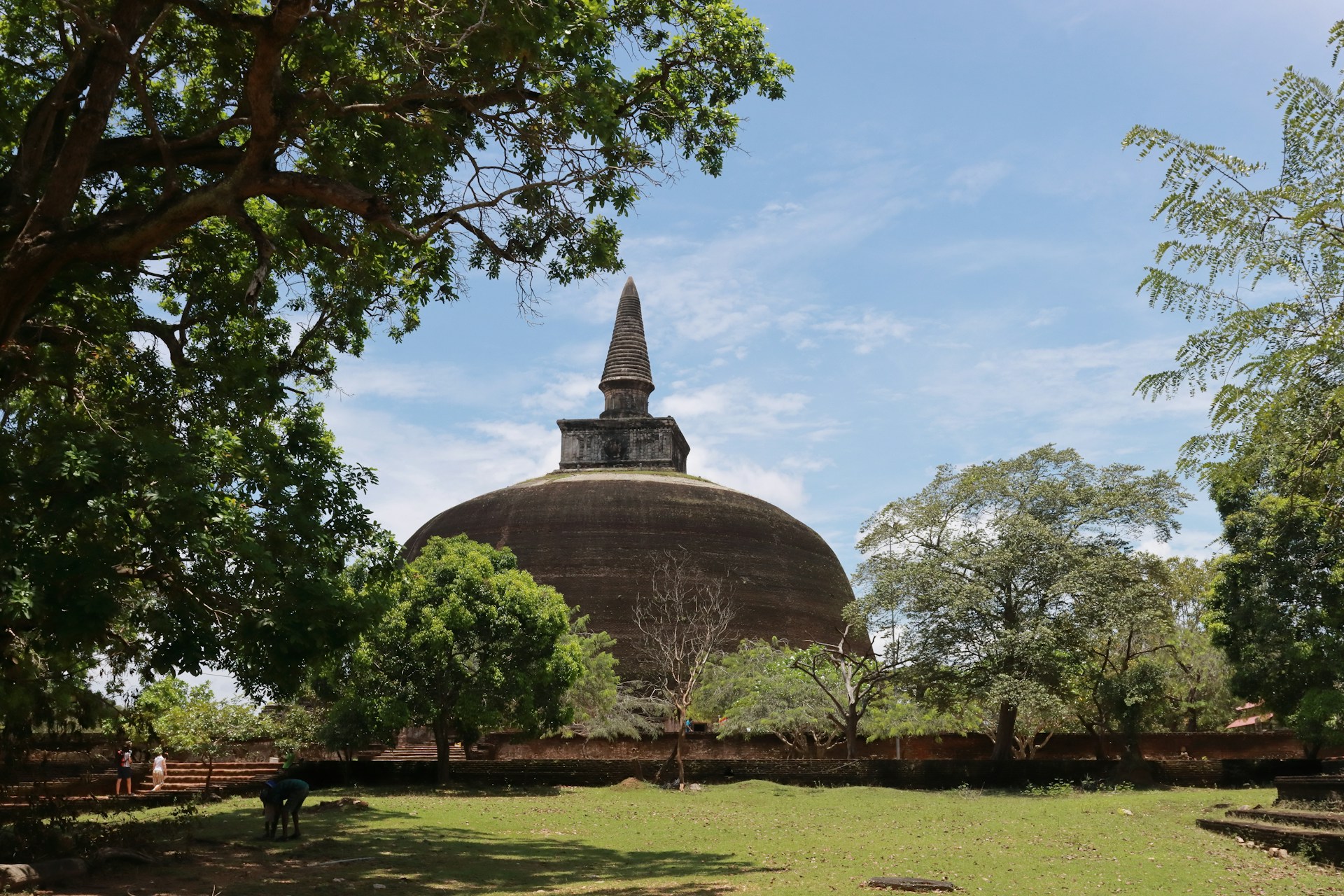
Kiri Vehera: The best preserved dagoba in Polonnaruwa built in the 12th Century by Queen Subhadda one of the wives of King Parakramabahu, where the original plaster is still intact.
Lankatillake: A large Buddha image house with a collosal Buddha image built by King Parakramabahu.
Lotus Pond: A stone pond built in the shape of a lotus flower in eight parallel tiers probably to provide seating to the monks while bathing.
Nissanka Latha Mandapa: A stone structure with pillars built in the shape of floral stems constructed by King Nissankamalla (12th century) to listen to the chanting of Pirith (recital of Buddhist scriptures) by the monks .
Ronkoth Vehara: A fairly well preserved large dagoba built by King Parakramabahu emulating the Ruwanvelisaya of Anuradhapura.
Sathmahal Prasada: An unidentified edifice getting the name from its seven stories.
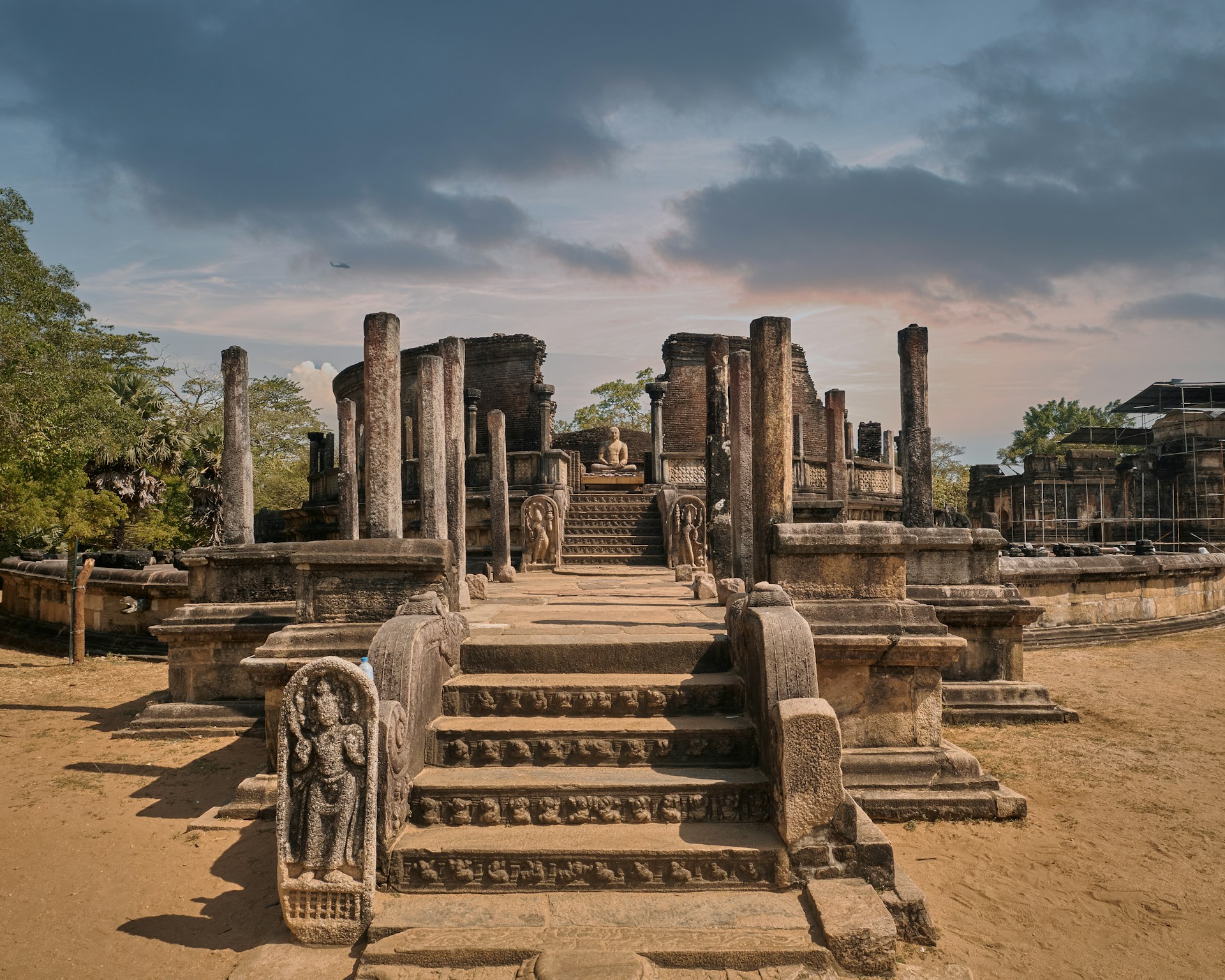
Vata-da-ge: A circular relic chamber built enclosing a dagoba that had been a popular architectural style in ancient Sri Lanka.
At Aloy’s Travel, we offer carefully planned tour packages for nature lovers, honeymoon travelers, photographers, families, and adventure seekers. Whether you are looking for a scenic getaway, cultural experience, wildlife adventure, luxury escape, or a complete Sri Lanka round tour, our personalized travel services ensure comfort, convenience, and unforgettable memories.
From private transport and guided sightseeing tours to hotel bookings and customized holiday packages, we help you discover the beauty and charm of Sri Lanka’s most amazing destinations—from misty hill country landscapes and golden beaches to ancient heritage sites and vibrant wildlife experiences.